Blog
If your gums are inflamed, sore, or prone to bleeding, you may be suffering from a condition called periodontal disease. Periodontal (gum) disease is caused by the overgrowth of bacteria in the gum pockets and affects around 70 percent or more individuals at least once in their lifetime. The gradual bone and gum loss that those with periodontal disease experience can eventually result in loose teeth, infection, and tooth loss. Generally, a periodontist who is highly trained in the prevention, diagnosis, and treatment of gum disease performs surgery to restore the gums to a healthier state. However, modern advancements in technology have paved the way for efficient and less invasive treatment.
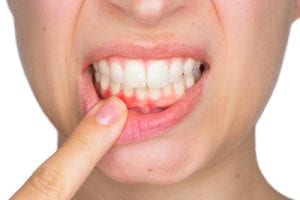
Treating Periodontal Disease
Many dentists and specialists agree that dental therapies that are less invasive and biocompatible can provide the best oral health care possible. A traditional gum surgery involves cutting open the gums to remove debris and decay as well as any deformities in the bone. This effective yet painful procedure has long been the standard of care to address periodontal disease until now. Dr. Chad Tomazin takes a biological approach to periodontal treatment with ozone periodontal therapy programs, which utilize activated oxygen to kill bacteria within inflamed gum pockets, eliminating infection and preventing decay.
Preventative Periodontal Treatment Options
Regularly visiting your dentist is important for the prevention of periodontal disease and other serious oral conditions. Untreated gum disease can increase the risk of cardiovascular damage, so addressing dental concerns before they become worse is a necessity. Dr. Chad Tomazin performs other preventative periodontal treatments, including:
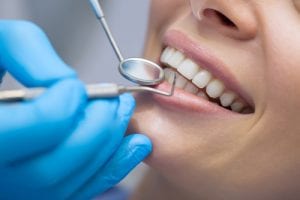
- Periodontal deep cleanings: Deep cleanings remove harmful deposits of calculus and plaque from the teeth, helping to prevent the development of gum disease.
- Enamel treatment: Fluoride-free xylitol tooth polish treatments help strengthen and protect tooth enamel, preventing tooth decay, halitosis, tooth sensitivity, and dry mouth.
To find out if you can benefit from periodontal treatment, or to schedule a dental appointment with Dr. Chad Tomazin, please call 951.686.3666.
Unfortunately, many individuals have one or more teeth removed at some point in their lifetime. Whether it be from a crack, fracture, decay, or root trauma, losing a tooth can be detrimental to a person’s self-confidence and the functionality of their teeth. Many dentists believe that dental implants are the best choice for replacing a missing tooth. A dental implant consists of a single titanium screw, which is made specifically for the bone to integrate into. The bone in the jaw “grows” into and around the titanium screw, providing an anchor for the false tooth (crown) to be placed. This advanced treatment is the only known procedure to stimulate bone growth surrounding the adjacent tissues effectively. Additionally, the implant itself provides the chewing system with stability and durability.

Am I a Candidate for Dental Implants?
To determine if you are a candidate for dental implants, you will need to schedule a consultation with a dentist who has plenty of experience performing the procedure. Dr. Chad Tomazin first checks the integrity of the bone structure where the implant is going to be placed. This can be done by examining the bite and alignment in addition to taking X-rays and photographs of the area. A dental impression is also made so that a customized crown can be created. In some instances, a computed tomography (CT) scan is necessary to confirm the level of the existing bone.
The Dental Implant Procedure
The dental implant procedure may be as simple as placing the implant or require a series of appointments when placing the implant. There are three vital steps to a dental implant procedure:
- Bone Graft: For a dental implant to be successful, there must be sufficient bone present to anchor the restoration. Usually, when a tooth is removed, over 50 percent of the bone is lost at the extraction site. In cases like this, additional bone must be placed before a dental implant procedure. If bone placement is required, antibiotics and anti-inflammatory medication should be prescribed to aid in recovery. It can take between three and six months for the new bone to graft, at which point X-rays are taken to ensure it is strong enough for dental implant placement.
- Implant Placement: The placement of the dental implant is crucial for a successful result. After the treatment area has been anesthetized, a small hole is drilled into the jaw bone. This hole is slowly widened to prevent the destruction of the jaw bone surrounding the implant site. The dental implant is then placed, and the surrounding gum tissue is secured over the implant along with a protective cover screw.
- Crown Placement: Before a permanent crown is attached to the implant, the bone must integrate with the titanium screw, which can take anywhere from three to six months. A temporary crown can be placed in cases where the implant placement is in the front of the mouth.
Recovery
After your dental implant procedure, you may experience some swelling and pain. However, most individuals who undergo the procedure report having minimal discomfort and swelling in the treated area. Over-the-counter medication and cold compresses can help alleviate these side effects. Prescription pain medication can also be prescribed, if necessary. During the week following your dental implant placement, it is best to consume a diet of soft foods and rinse the mouth after eating. Your dentist will likely schedule a series of follow-up appointments to evaluate the healing process.
Aftercare
When taken care of properly, a dental implant can last for more than 40 years! Proper at-home dental hygiene is critical to the success of the implant. The number one cause of dental implant failure is lack of flossing the area followed by lack of brushing the area. If plaque is not removed from the implant site, an infection can develop. Cleaning the dental implant as you would your natural teeth will ensure the best outcome.

If you have a heavy bite or habit of clenching or grinding, a night guard is necessary. Although titanium is a durable metal, an uneven load or heavy wear on the implant is not ideal. The bite guard is a clear wafer-like appliance that patients wear at night to ease the pressure on the natural teeth and dental implant. This device helps to ensure the longevity of your dental implant.
To find out if you are a candidate for dental implants, please contact the office of Dr. Chad Tomazin by calling 951.686.3666.
Do your teeth seem longer than they used to be? Have your teeth become more sensitive to cold drinks? These are a couple of common signs that are associated with a condition called gum recession. Gum recession tends to be more prevalent in older patients, but it can occur at any age due to oral hygiene habits, lifestyle choices, and other factors. When the gums recede, the gum pockets are more susceptible to collecting bacteria, resulting in a heightened risk of developing infections.

Because having uneven pressure in the chewing system is one of the leading causes of gum recession, it is crucial to go to a dentist that is qualified to study how the bite comes together to maintain optimal dental health. Dr. Chad Tomazin has a biological dental office and focuses on comprehensive oral health.
Causes of Gum Recession
- Periodontal (Gum) Disease: Although it is true that our risk of developing periodontal disease increases as we age, it is the bacteria in the mouth that cause gum infections. These bacteria grow and multiply between dental cleanings and live under the gum tissue where dental floss goes.
- Unhealthy Diet: Vitamin C, Vitamin B12, and essential fatty acids all play a critical role in gum health. Consuming a diet that contains plenty of fruits and vegetables will help to keep the tissue healthy. Conversely, eating unhealthy foods that contain excess amounts of sugar or starch can contribute to gum recession as well as other dental issues.
- Bite Imbalance, Clenching, and Grinding: Millions of patients suffer from continual gum recession that could be treated with proper bite balancing. When the bite is uneven, there is also uneven pressure on the teeth, causing tissue and bone destruction in those areas. Clenching and grinding also put excessive force on the teeth, damaging the surrounding bone and gum tissue.
- Chewing Tobacco: Patients who chew tobacco place the product against the gums, which suffocates the gum tissue in that area. Additionally, chewing tobacco increases the risk of oral cancer and other serious conditions.
- Oral Piercings: Wearing lip and tongue piercings can cause trauma to adjacent tissue inside the mouth and cause the gums to recede.
- Sodium Lauryl Sulfate Intolerance: Individuals who are sensitive to this toothpaste additive can experience gum recession due to irritation.
How to Prevent Gum Recession
It is essential to visit the dental hygienist on a regular basis, as they are the dental professionals who assess the health of the gums, take measurements of the gum tissue, and recommend specific dental cleanings and products to help prevent gum recession. The body cannot regrow gum tissue. Therefore, it is best to use preventative measures to preserve your gum health. Here are some tips on how to prevent receding gums:
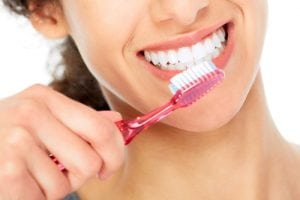
- Use a soft-bristled toothbrush to avoid “brushing away” the gums.
- Floss between all of your teeth at least once a day.
- Maintain a regular oral hygiene schedule with your dental hygienist to minimize the amount of bacteria in your gums and teeth.
- Have your bite thoroughly evaluated by your dentist.
- Prevent destruction of gum tissue by correcting the bite with orthodontics.
- Wearing a night guard while you sleep reduces the amount of stress on the jaw joint and teeth.
- Consume a balanced diet rich with Vitamin C, Vitamin D, and B vitamins.
- Take time to decompress and relax the body. Stress plays a significant role in breaking down the immune system, which starves gum tissue of the nutrients and oxygen it needs.
Gum Recession Treatment Options
To treat gum recession and help improve the overall health of your teeth, your dentist will likely take these steps:
- Bacterial Infection Treatment: Removing the plaque and tartar along with killing the bacteria present surrounding the gum tissue is ideal. Dr. Tomazin offers advanced ozone periodontal therapy programs that disinfect the gum tissue. Periodontal deep cleanings can also help prevent further infection by removing plaque, tartar, and biofilm on the surface of the teeth.
- At-Home Dental Hygiene Recommendations: Investing in an electric toothbrush and dental irrigator will help remove plaque and debris. These will also disrupt the bacterial colonies surrounding the teeth and gum tissue. Flossing also helps to disrupt bacteria and remove plaque.
- Bite Analysis: Visible wear on the teeth, such as flattening of the teeth or notches on the sides of the teeth, are indications that the bite is imbalanced. A professional bite study can prevent further destruction of the teeth and gums.
- Orthodontics: This type of dental therapy can correct a poor bite. Experienced orthodontists are capable of moving adult teeth slowly enough to avoid damaging the bone and gum tissue.
- Tissue Repositioning: This is a surgical procedure that is performed by a periodontist (gum specialist) to preserve the health of the tooth. When the root is exposed, it is more susceptible to tooth decay and sensitivity. Tissue repositioning involves lifting the gum tissue and repositioning it to cover the exposed root surface. Sutures are placed to secure the tissue, and the area usually takes between two and four weeks to heal.
- Tissue Grafting: A periodontist also performs this procedure. When there is insufficient gum tissue, a tissue graft is placed on the receded area. A collagen graft or tissue from the roof of the mouth can be used during treatment. Again, sutures are used, and the grafted area typically heals in two to four weeks.
If you suspect your gums have receded, please contact the office of Dr. Chad Tomazin by calling 951.686.3666.
We all desire a whiter and brighter smile. Unfortunately, heredity, lifestyle choices, and common drinks, such as coffee, tea, soda, and wine, all leave residue on our teeth and diminish the clean color we strive for. Advertisements for teeth whitening products are frequent, and all of them promise your brightest smile yet; however, how well do these products work? When given a choice between in-office teeth whitening and at-home teeth whitening, many patients would likely choose the at-home products, as they can be used on a patient’s own time and in the comfort of their own home. But are the results comparable to the reliable in-office treatment provided by your dentist?

Types of Teeth Whitening
Teeth discoloration often leads to diminished confidence and even hiding your smile from others. Instead of feeling like you need to shy away, consider whitening your teeth with either at-home or in-office whitening procedures.
- In-office whitening with Dr. Tomazin involves the Venus White® Max Whitening System. This product is a chemically activated whitening gel that provides substantial results in a single visit. With this treatment, Dr. Tomazin includes extra whitening syringes and custom trays for you to take home so that you can further enhance your teeth whitening experience.
- At-home whitening consists of whitening trays that provide gradual whitening results. These custom-fitted systems are easy to use, comfortable, and can even be worn overnight for hassle-free whitening. Results often become apparent in as little as two weeks.
The Final Verdict
Fortunately, with all of the improvements to teeth whitening that have been made over the years, there are now many options for achieving the bright and white smile you desire. These options include both in-office and at-home whitening, and truthfully, neither one is better than the other. It comes down to personal preference. When teeth whitening is performed in-office with a trained dentist, you know that the job will be done correctly. In the office, you can learn the proper way to apply and wear the trays that you take home and ask any questions that you may have.
At-home teeth whitening may not have the same hands-on approach that in-office whitening does; however, these systems have improved so much that you can attain the same level of improvement as in-office treatments without ever having to leave your home. You can wear the trays when you are watching TV, checking emails, or finishing up household chores. Whatever you choose for your treatment, know that your teeth will be in good hands and that a brighter smile is in your future.
Achieving a whiter smile is attainable. To get more information on both in-office and at-home teeth whitening treatments, call Dr. Tomazin today at (951) 686-3666.
You may be hard-pressed to find a person who loves going to the dentist, and while it is true that dental work and visits are far from anyone’s perfect day, it’s a necessity to ensure that your oral health remains strong. Cavities (dental caries) present some of the earliest threats to your oral health and, when they are not addressed, can lead to many more significant and dangerous concerns.

Thankfully, when dental visits are part of your routine, you can rest assured that any potential issues are handled before they become overly worrisome. To enhance his ability to detect these harmful cavities, Dr. Tomazin offers laser technology to go beyond what traditional X-ray imaging can identify, allowing him to see even the earliest stages of cavities.
The DIAGNOdent™ Laser
While X-rays are still a vital tool in detecting cavities, they can only spot trouble areas once they reach a certain size. The DIAGNOdent™ laser is different, working tooth by tooth to see every crevice and blemish on your smile. This enhanced view allows Dr. Tomazin to identify and treat cavities at a much earlier stage. With this technology, the risk of waiting too long is gone, and you are saved from more extreme and expensive dental procedures.
The DEXIS™ CariVu™ Laser
The CariVu™ laser makes use of infrared light. Similar to the DIAGNOdent™, this laser also works tooth by tooth. By making the healthy parts of the tooth appear transparent and darkening any fractures or damage to the tooth, this technology allows for the earliest detection of dental caries. A camera then captures the image so that Dr. Tomazin can correctly diagnose and treat the problem. This machine uses no ionizing radiation for the safest and most effective identification.
What Can Early Detection Do?
While early detection of cavities still requires dental work, the work being done is far less invasive than if you had waited. Instead of a root canal or an extraction, a small filling may be all you need, which helps to both minimize the severity and cost of dental procedures.
To save yourself from the future stress of dental work, schedule an appointment with Dr. Tomazin today by calling 951-686-3666.